
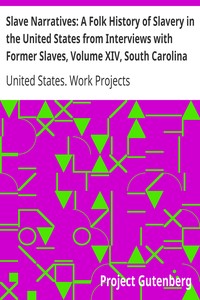
Slave Narratives: A Folk History of Slavery in the United States from…
This isn't a novel with a plot in the traditional sense. Think of it as the most important oral history project you've never heard of. In the 1930s, as part of the New Deal's Federal Writers' Project, out-of-work writers were sent to interview elderly African Americans who had been enslaved before the Civil War. The goal was simple: capture their stories before they were lost forever.
The Story
The 'story' here is the collective memory of a nation's original sin, told by over 2,300 individuals. You'll read short, direct accounts. One person might describe the taste of food they scavenged, while another recalls the sound of a spiritual sung in secret. Another might talk about the painful moment they were separated from their mother at a slave auction. There are stories of incredible cruelty from enslavers, but also quiet acts of resistance, deep family bonds, and the overwhelming, complex joy of Emancipation. The book doesn't tell you what to think; it just presents these voices, one after another, creating a chorus that is impossible to ignore.
Why You Should Read It
You should read this because it cuts through the myths. History often feels distant, made of dates and policies. This book makes it personal and immediate. You're not learning about slavery; you're hearing from people who lived it. The emotional weight comes from the small, human details—a remembered kindness, a favorite song, the description of a pair of shoes. It also shows how memory works. Some narrators, speaking to white interviewers in the segregated 1930s South, are cautious. Others are strikingly frank. Reading between the lines is part of the experience. It challenged me, made me uncomfortable, and gave me a profound respect for the sheer endurance of the human spirit.
Final Verdict
This is essential reading, but it's not easy. It's perfect for anyone who wants to go beyond the simplified versions of history taught in school. If you're a reader who values primary sources and raw human testimony over a smooth narrative, you need to pick this up. It’s for people who believe the best way to understand our present is to honestly listen to the voices from our past, no matter how difficult the conversation. Keep it on your shelf next to novels about the era—it’s the real, unfiltered foundation those stories are built upon.
Barbara Brown
11 months agoFrom the very first page, it manages to explain difficult concepts in plain English. I learned so much from this.
Jennifer Johnson
4 weeks agoAmazing book.
Jackson Thomas
10 months agoI started reading out of curiosity and the clarity of the writing makes this accessible. Exceeded all my expectations.
Deborah Hernandez
1 year agoLoved it.