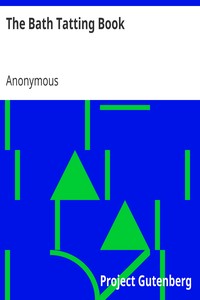
The Bath Tatting Book by Anonymous
On the surface, The Bath Tatting Book is exactly what it says it is: a practical guide to making lace, published anonymously in the 19th century. The main text walks you through knots, patterns, and techniques. But that's not the story. The story is in the margins.
The Story
This particular copy is filled with handwritten notes in two distinct styles. One woman, who seems expert in the craft, has made corrections to the printed patterns. The other uses the dry instructions about 'double stitches' and 'picots' as a framework for something else entirely. She writes about daily life in Bath—gossip, the weather, a troubling encounter at the Pump Room. Her notes start casual but grow increasingly anxious. References to 'not being seen together' and 'the usual place' start to appear. The tatting patterns become a code, with specific stitches representing days, times, or warnings. You're piecing together a clandestine friendship from fragments, wondering with every turn of the page if their secret was discovered.
Why You Should Read It
This book got under my skin. It's a powerful reminder of how history is often found in the everyday, not just in grand speeches or battles. The tension doesn't come from explosions, but from the sheer vulnerability of these handwritten words. You become a detective, connecting the dots between a comment on thread tension and a mention of a nervous gentleman asking questions. It makes you think about all the quiet, private ways people have always found to reach out to each other when the public world wasn't safe. The anonymity of the original author feels ironic, because the most compelling voices here are the two 'readers' who made the book their own.
Final Verdict
Perfect for anyone who loves historical mysteries, hidden histories, or stories about found documents. If you enjoyed the vibe of Possession or the puzzle-box feeling of Cloud Atlas, but want something you can read in one or two sittings, this is your next read. It's also a great pick for crafters, who will appreciate the original text on its own terms. Fair warning: you'll probably start looking at your own old books in a whole new way, searching for secrets in the margins.
Christopher Johnson
1 year agoThanks for the recommendation.
Noah Sanchez
6 months agoThe fonts used are very comfortable for long reading sessions.
Michael Hernandez
10 months agoCitation worthy content.

Ashley Anderson
5 months agoThanks for the recommendation.